


At the stove
Chase nature away and it comes back at a gallop.
Unlike my mother, who followed recipes to the millimetre, I always wanted to do as she did: respect the quantities, follow the recipes in cookbooks and, above all, have my own notebook, like that precious notebook of hers.
I always wanted to follow the exact quantities but, at the same time, I was full of ideas and eager to explore, to mix, to blend and to reinvent recipes.
I should also say that I had to leave out sugar, gluten and dairy. Quite a challenge at first! But by doing some research, reading up and trying new ingredients, I managed to get results that were not so bad after all.
I really found comfort in Andean products. In Peru there is plenty of choice at the table, and many of these foods are naturally gluten-free. It is in fact fairly rare to find bread on the table, except at breakfast.
Little by little I learned to do things differently: to substitute, to adapt, to try… and above all to trust my own ideas.
Going to the market
Good ingredients for good results
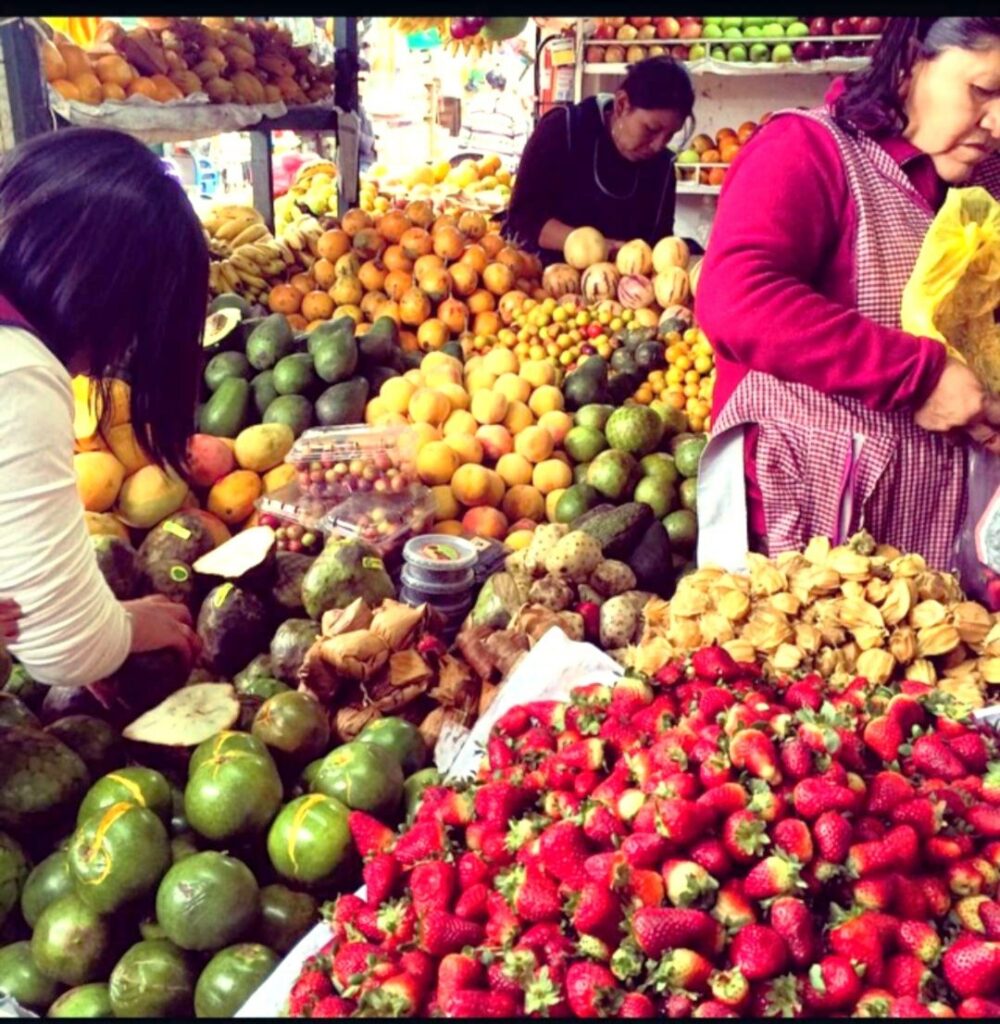
A good piece of advice: have good ingredients so your recipes come together easily, and keep everything within reach on your work surface before you start cooking.
Do not be afraid! Dare to invent and to replace whatever you are missing. Even if a recipe fails the first time, it does not matter: it is with practice that you become a pro.
Those who seek perfection can find it!
Where there is a will, there is a way
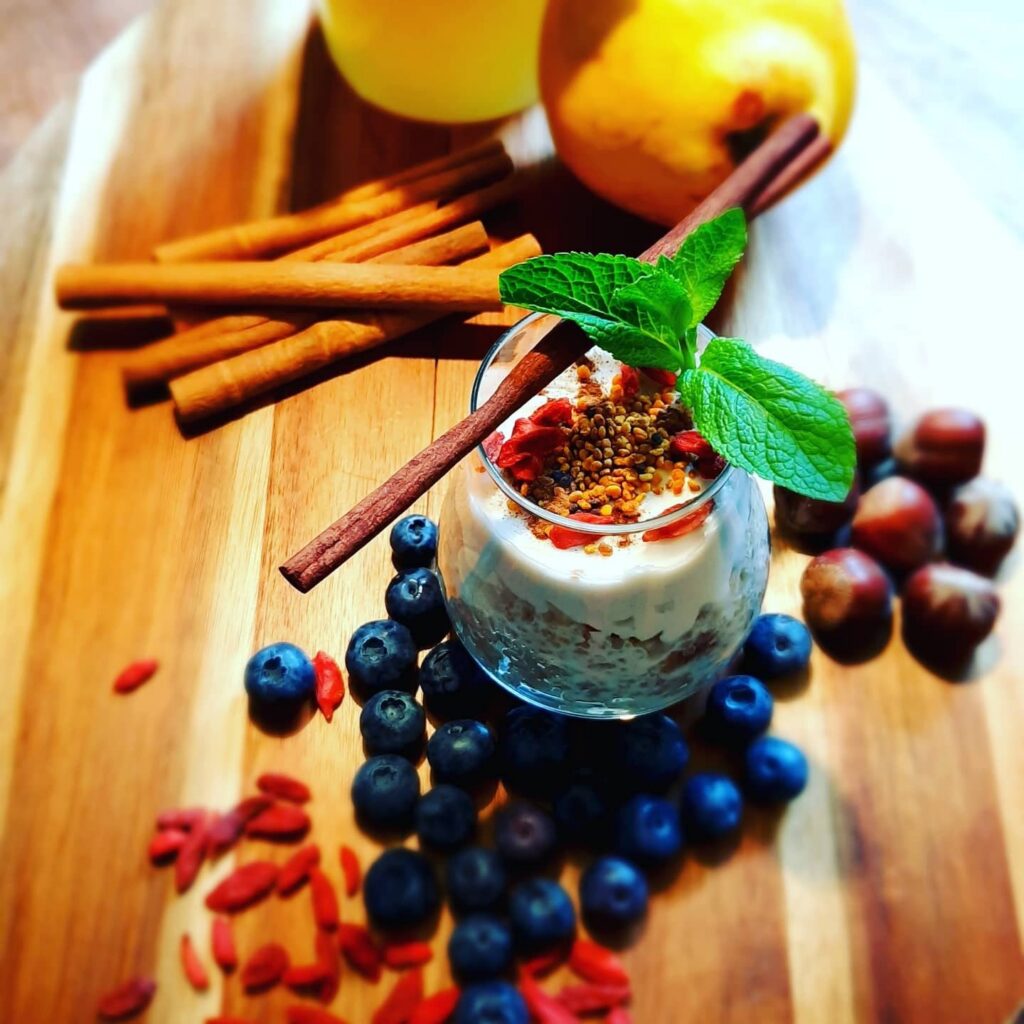
One of the recipes I am rather proud of is this delicious quinoa porridge with coconut milk, served with melting quince and scented with cinnamon and green cardamom.
It is a recipe I am particularly fond of, because it brings together simple ingredients, warm aromas and a little touch of originality.
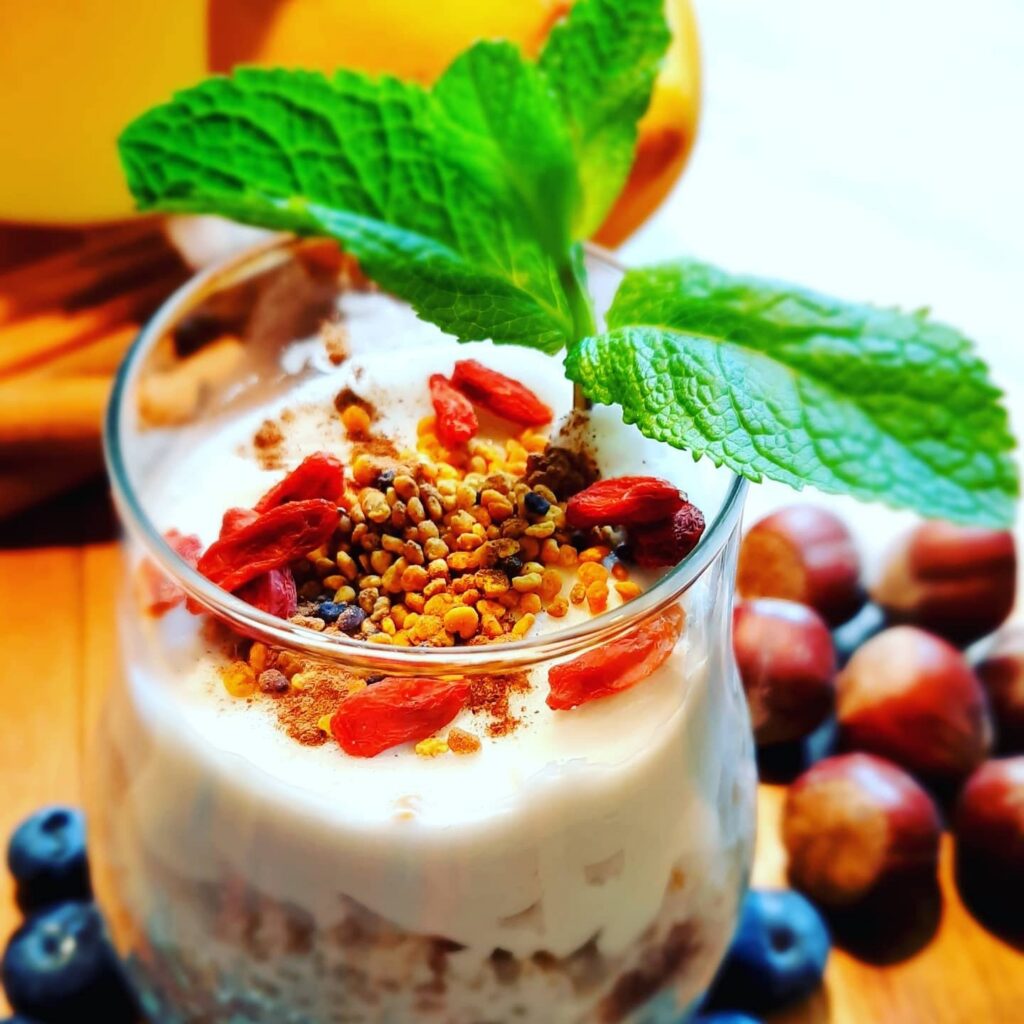
Why not dust over a little ground cinnamon, scatter a few nuggets of pollen and add a good handful of blueberries and a few hazelnuts?
Enough to make a breakfast, a brunch or even an indulgent dessert!
“Dare to invent in the kitchen”
“In my kitchen, nothing goes to waste”
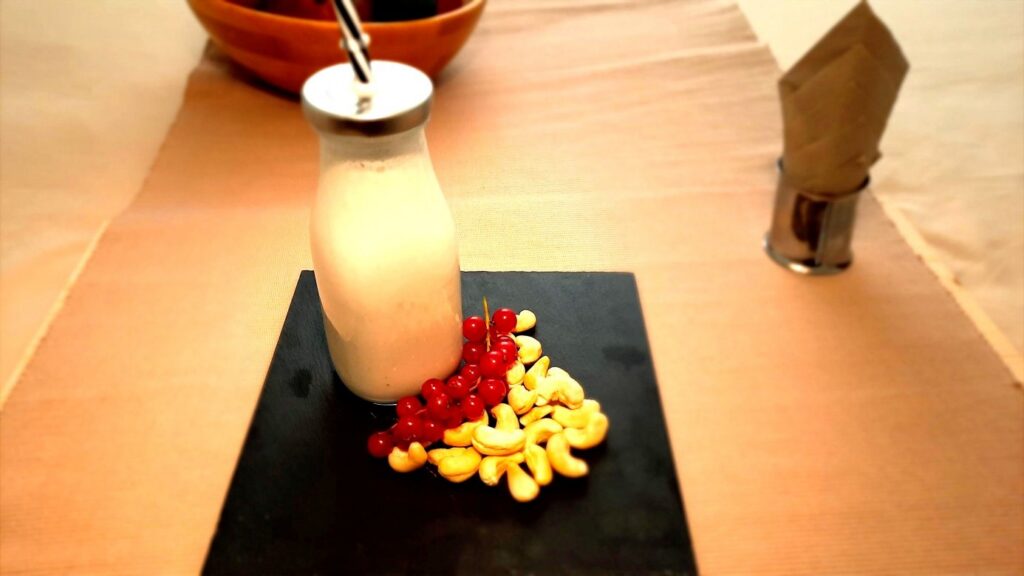
Avoiding waste: nothing goes to waste in my kitchen!
To make cashew, almond, hazelnut, tigernut or Brazil nut milk, you always need to soak the nuts the night before.
After blending them and straining off the milk, the ground flesh of the nuts is left. Once dried, it can become a gluten-free flour that is fairly rich in protein. So how can it be used?
It is quite simple: you can replace one cup of flour or oat flakes with one cup of this leftover nut pulp.
I often use this homemade nut flour while it is still damp, instead of flour. I add two large spoonfuls of chia seeds to absorb the excess water, then use it to make vegetarian or vegan muffins.
The most important thing is still to use good-quality ingredients.
Here is my take on blueberry muffins
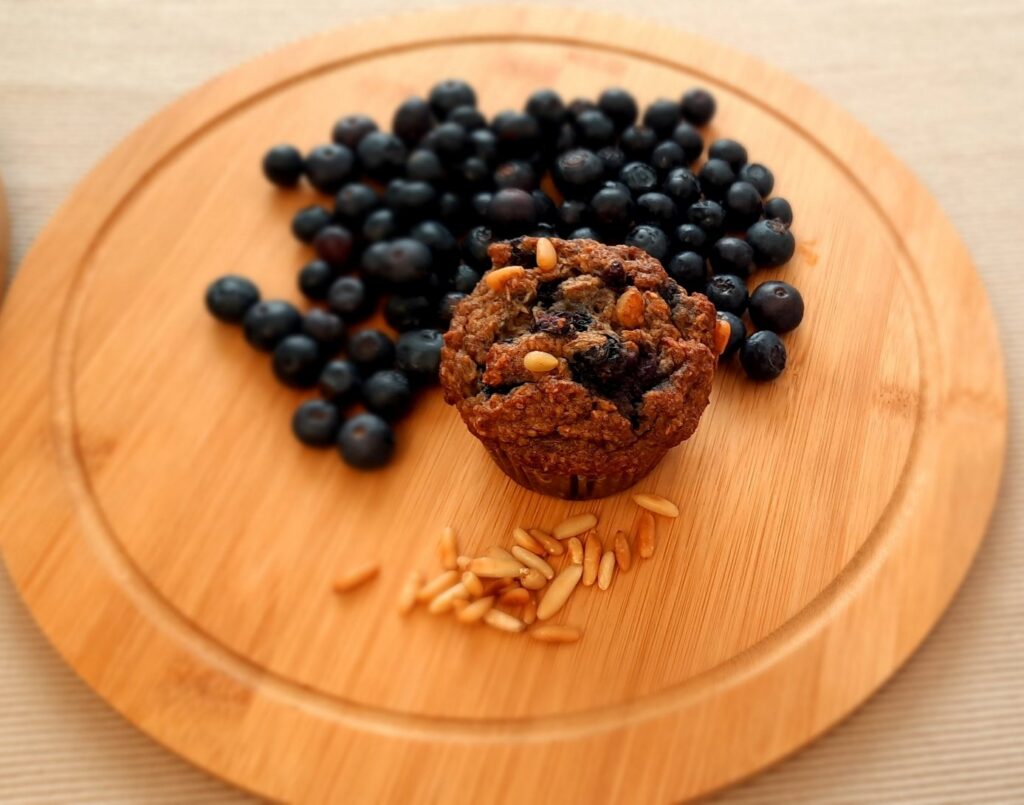
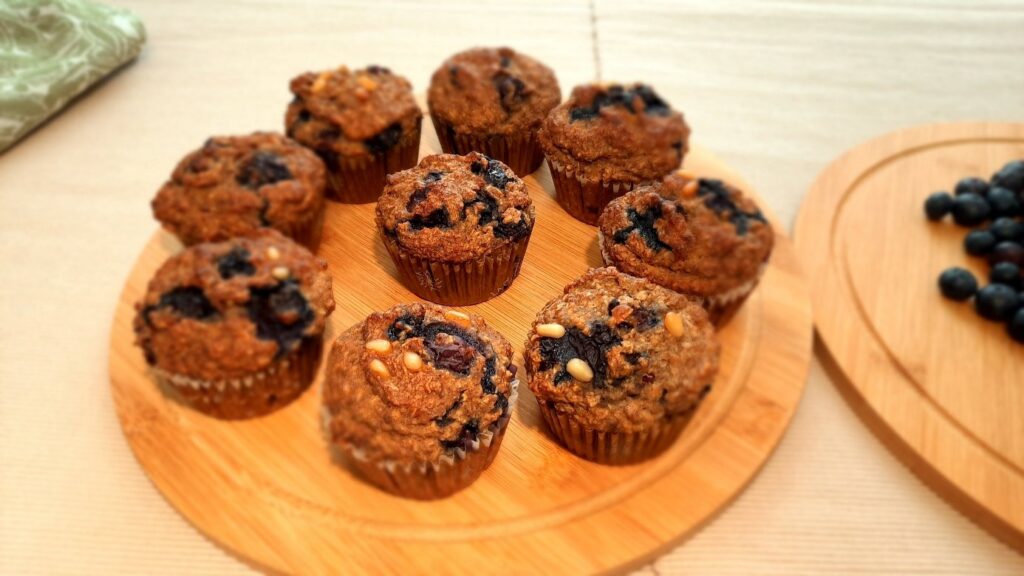
Every bite is a real treat! Enjoy them at breakfast, as a snack or simply when you are a little peckish and fancy something sweet, with a good herbal tea or a delicious homemade plant milk.
What can be used instead of sugar?
Pumpkin mania
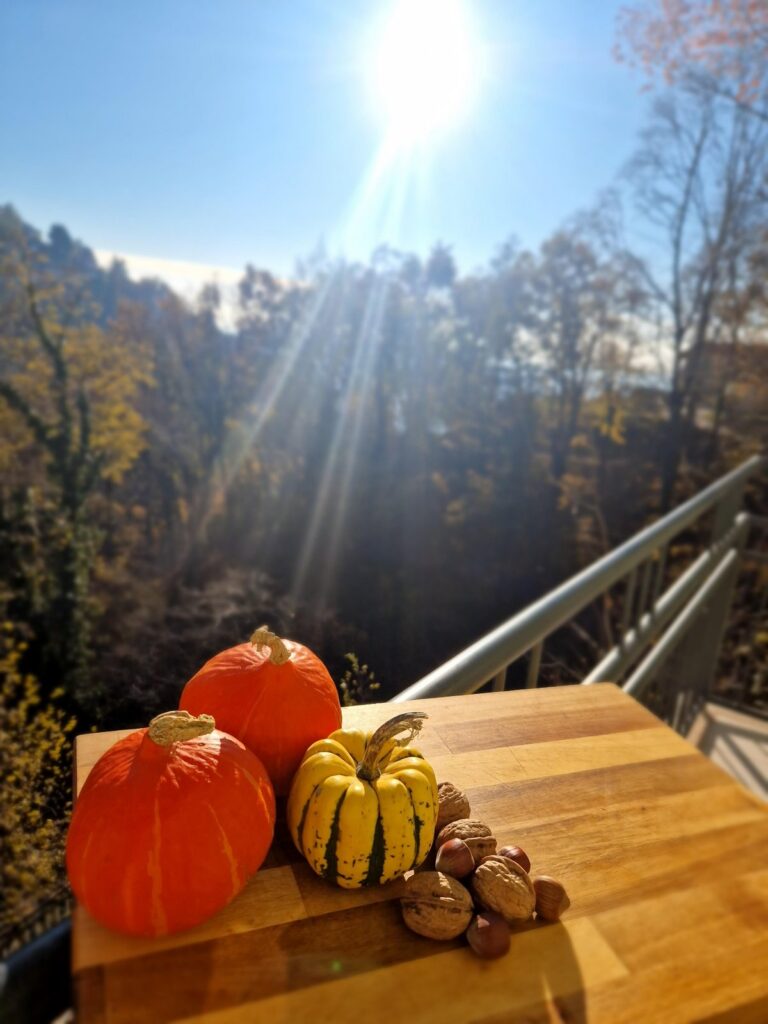
After several attempts, I have to say that some fruits and vegetables do the job very well when it comes to bringing natural sweetness to our desserts.
Among vegetables, and especially with the arrival of autumn, I find a lot of comfort in the cucurbits. Some squashes have a remarkable natural sweetness: red kuri, Kabocha, sweet dumpling or butternut, which has often surprised me with its delicately sweet taste.
Roasted in the oven or simply cooked in a pan with a little coconut oil, these squashes reveal all their richness: the flesh becomes meltingly soft, fragrant and naturally sweet.
So why not use them as a base ingredient in desserts? Stirred in as a purée or as cooked flesh, they make delicious muffins, gingerbread, banana bread, pancakes, brownies, chocolate cakes and many other things. They bring not only sweetness, but also a soft, melting texture.
And squashes are not the only ones that can play this role. Sweet potato, apple and banana can be used in the same way, depending on the recipe and the flavours you are after.
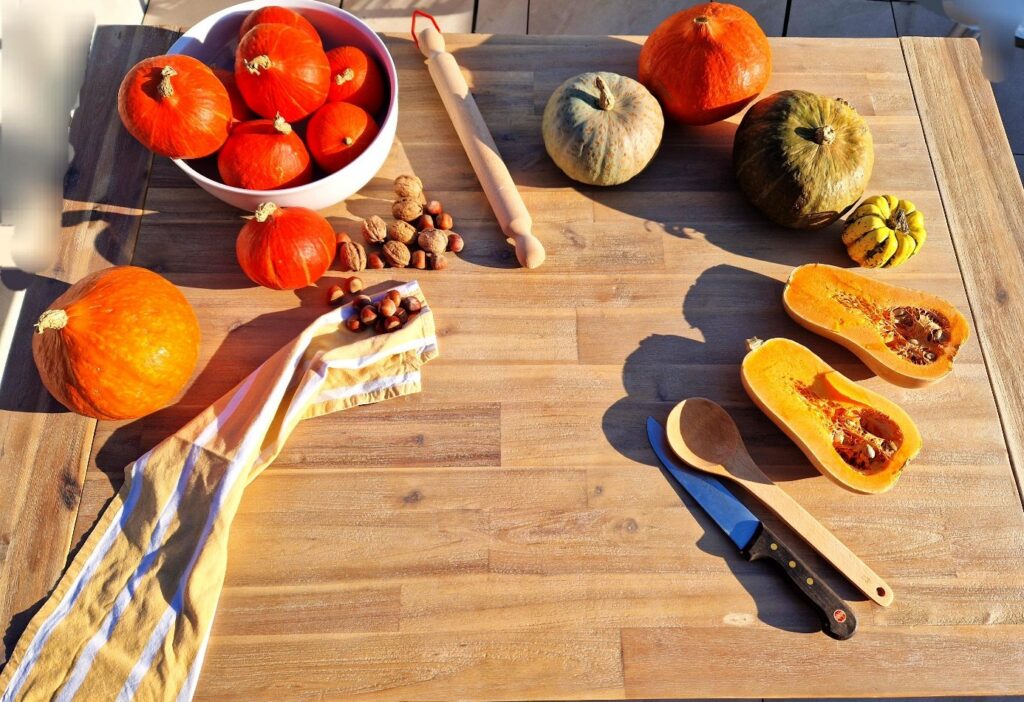
🎃 My favourite squashes for desserts
- Red kuri (potimarron) — very fragrant, with dense, creamy and naturally sweet flesh. It lends itself wonderfully to cakes, tarts, muffins and creams.
- Butternut squash — sweet, lightly sugary and particularly silky, it is very versatile. It finds its place easily in cakes, custards, tarts and other desserts.
- Musquée de Provence squash — with its beautiful orange flesh, fragrant and sweet when fully ripe, it is especially good in tarts, compotes and indulgent preparations.
- Kabocha squash — its dense, melting, almost floury flesh has a naturally sweet flavour. Ideal for bringing character and smoothness to desserts.
- Sweet dumpling (patidou) — this small squash with its pretty decorative skin offers sweet, fragrant flesh with delicate notes of chestnut. Perfect for individual desserts.
- Delica squash — close to the Kabocha types, it has dense and tasty flesh, particularly pleasant in sweet preparations.
🌿 Another way of thinking about indulgence
Using these foods does not necessarily mean removing every form of sugar from a recipe. It is more about playing with the natural sweetness of the ingredients, their textures and their aromas to create indulgent desserts in another way.
The squash then becomes much more than a simple autumn vegetable: it brings sweetness, softness and character, while opening the door to another way of baking.
Leave a Reply