


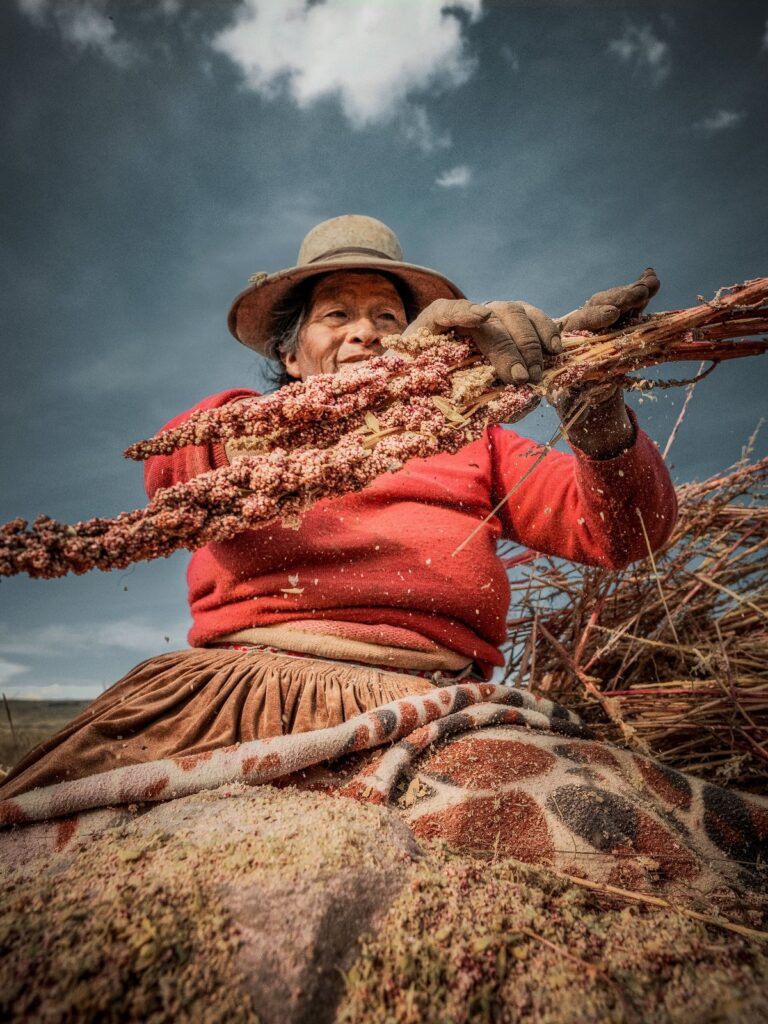
When we think of the Andes, we often picture mountains, high plateaus and the spectacular landscapes of South America. But these lands are also home to an incredible wealth of food.
For generations, Andean communities have grown and used plants that are particularly well suited to their environment. Quinoa, cañihua, kiwicha, maca and sacha inchi are now eaten far beyond their region of origin.
Some are pseudo-cereals, others are roots or oilseeds. They all have one thing in common, however: they tell a story of land, of transmission and of culinary know-how.
Why discover the foods of the Andes?
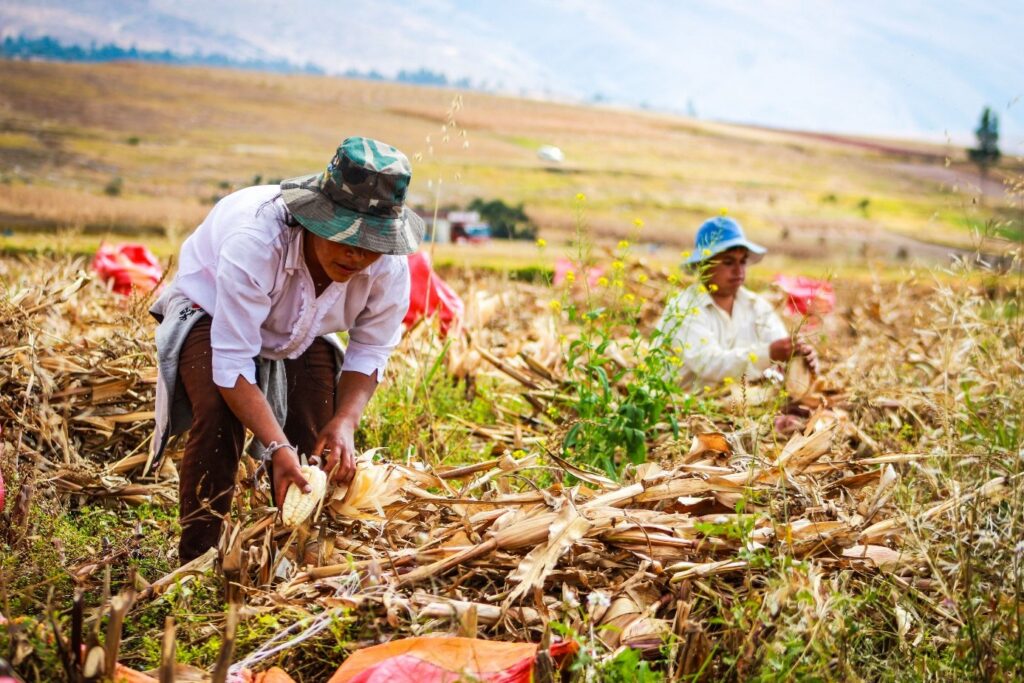
Andean pseudo-cereals, notably quinoa, cañihua and kiwicha, are seeds of plants that are not botanically cereals, but that can be used in much the same way in the kitchen.
They are naturally rich in starch and can also provide protein, fibre, minerals and fats. Their nutritional composition varies, however, depending on the variety, the growing conditions and the preparation. Agris
Their interest is therefore not limited to their nutritional composition. They are also ingredients that open up another way of cooking seeds, flours and cereals.
Behind these foods, women and men
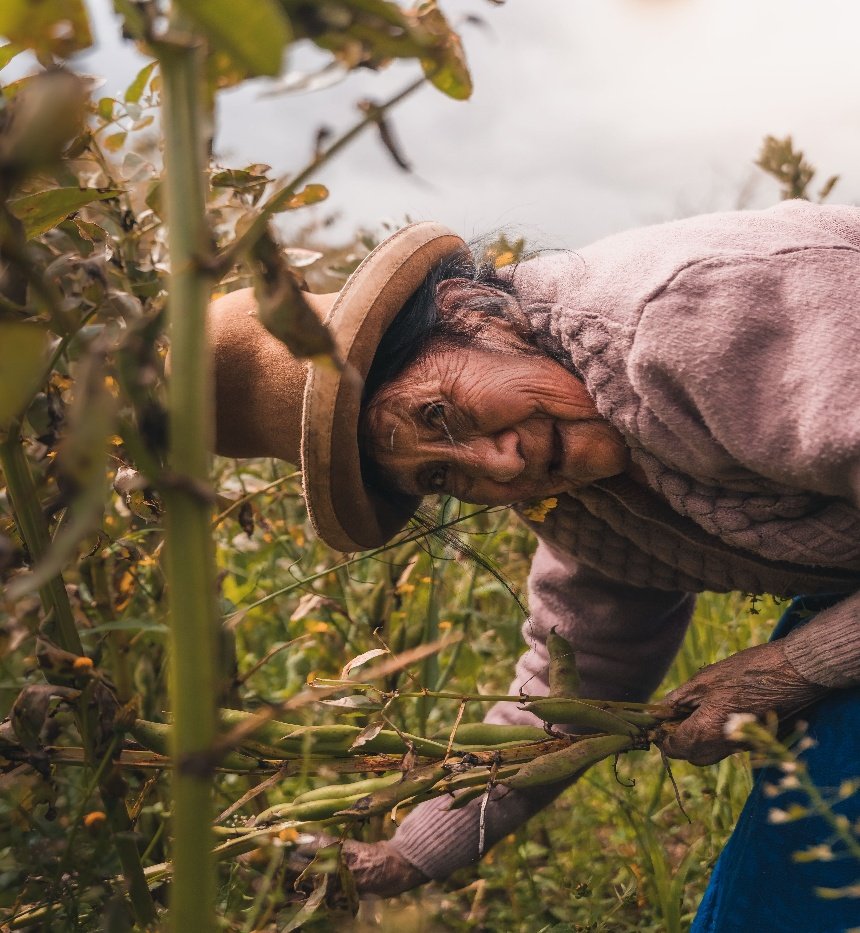
Behind every seed we discover there is a story.
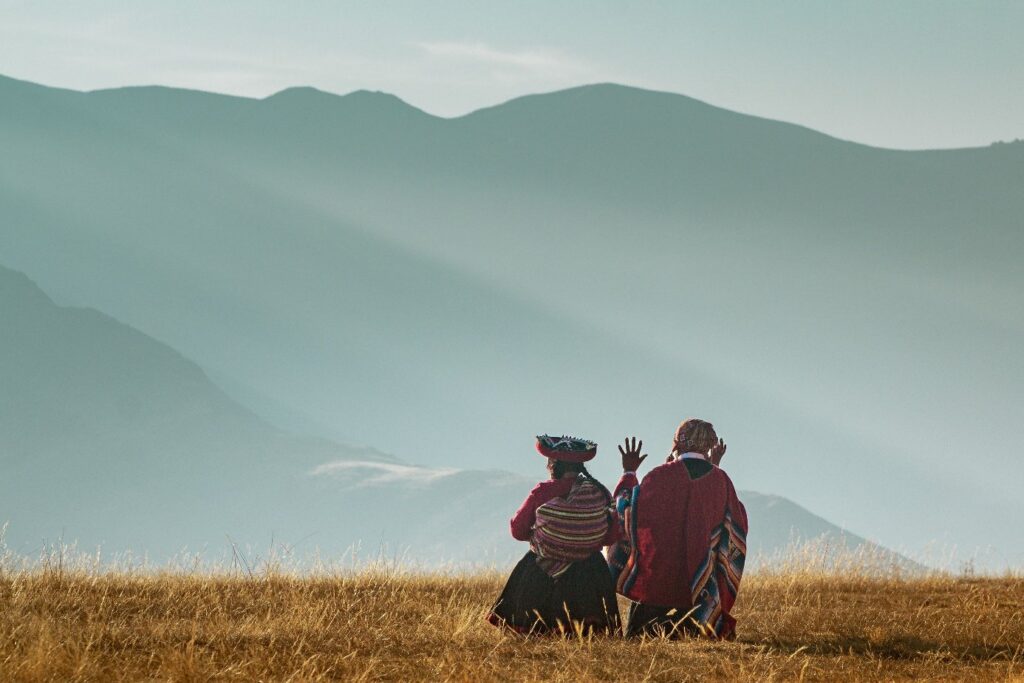
In the Andes, generations of smallholders and rural communities have grown these plants in conditions that are sometimes harsh: high altitude, shifting temperatures, drought or unusual soils.
These traditional crops have preserved varieties, farming techniques and culinary uses that are now part of the food heritage of the region.
Over time, some of these foods have left the Andes to reach kitchens all over the world.
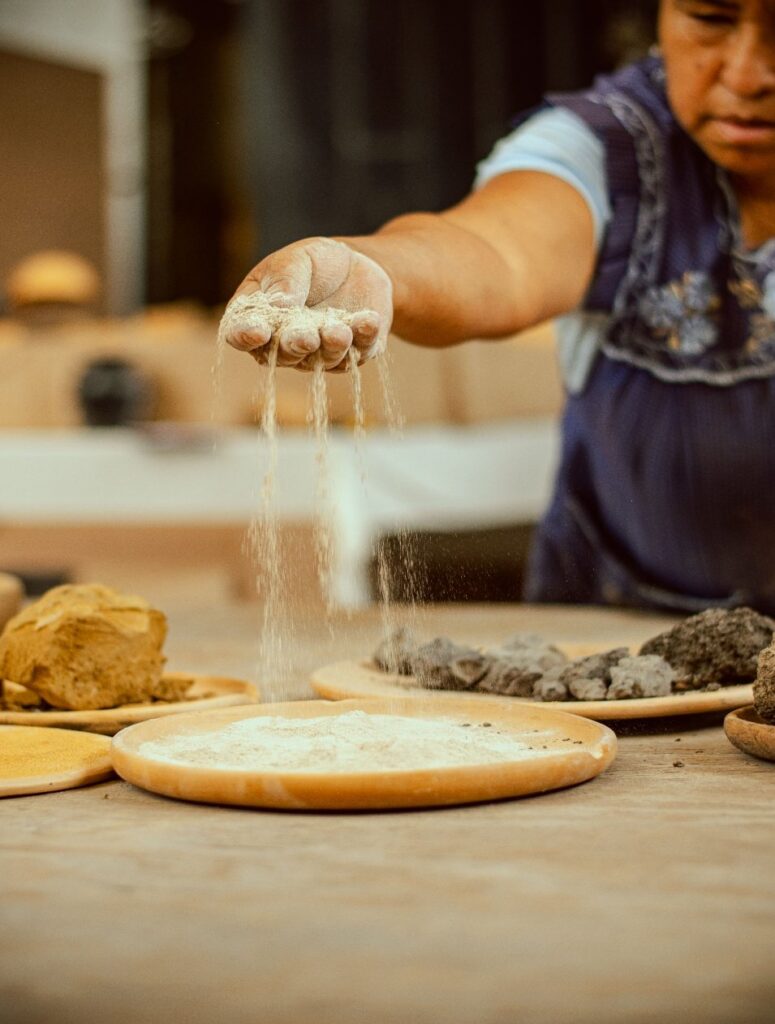
Behind every seed, every harvest and every recipe there is knowledge passed down from generation to generation.
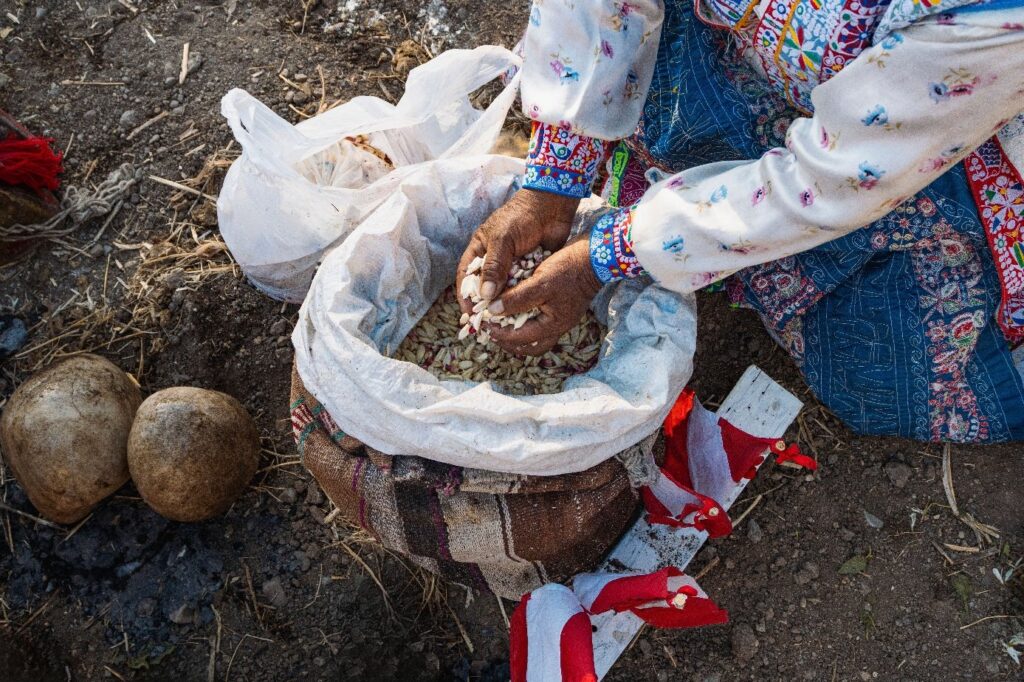
That is also what makes discovering them so interesting: when we cook with these ingredients, we discover not only new flavours, but a small part of the food history of the Andes.
Quinoa, cañihua and kiwicha: the small seeds of the Andes
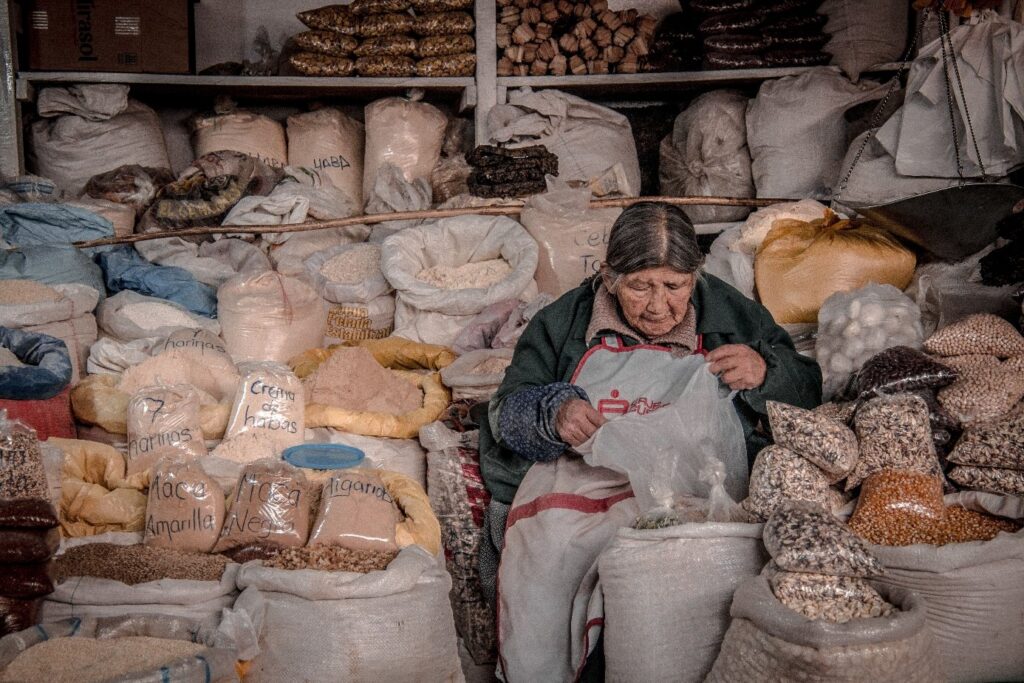
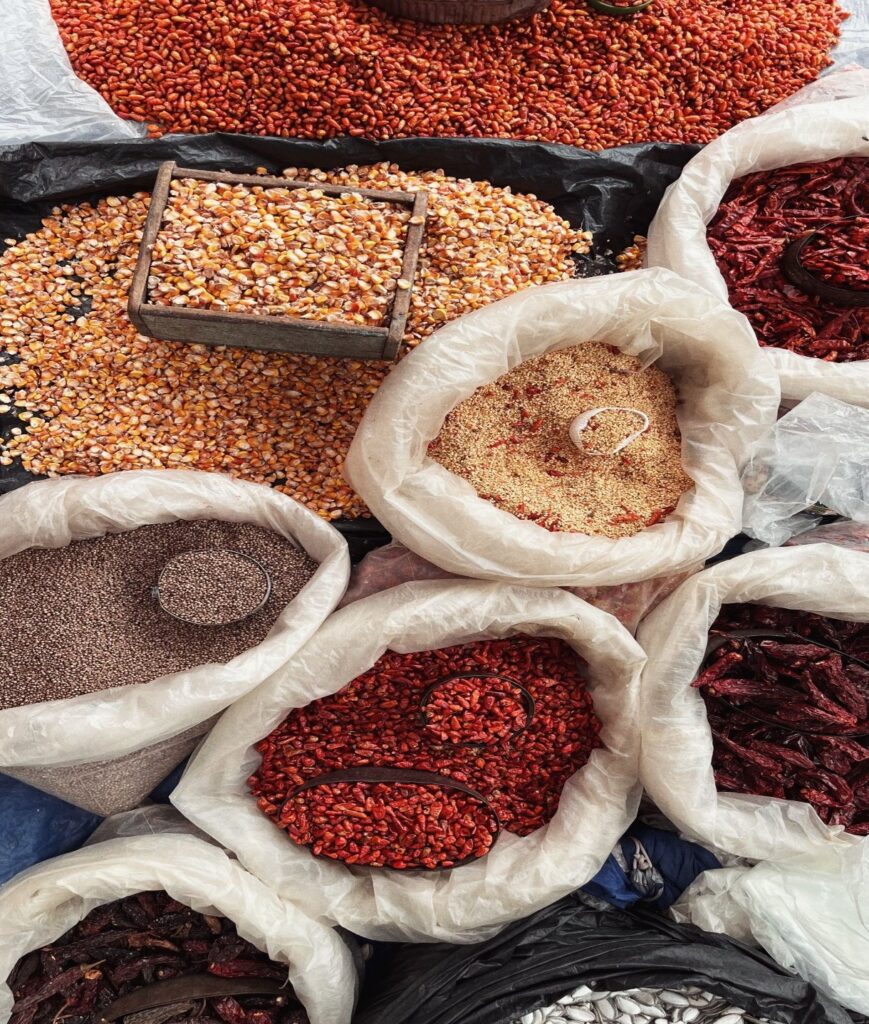
On the Andean high plateaus, several seeds have traditionally been grown and eaten for a very long time.
Quinoa is the best known today, but it is not the only one. Cañihua and kiwicha are just as worth discovering.
🌱 What is cañihua?
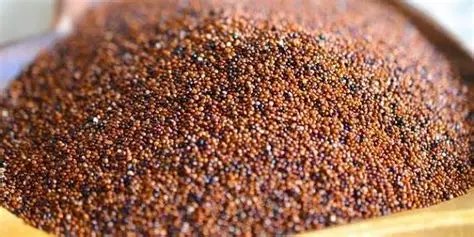
Cañihua, also called kañiwa, is a small seed native to the Andean high plateaus, in particular the Lake Titicaca region.
It belongs to the same broad botanical family as quinoa and is one of the pseudo-cereals. Its cultivation is particularly suited to the harsh conditions of high-altitude regions.
Nutritionally, cañihua provides protein, fibre and various minerals. Its composition can vary depending on the variety and the way it is prepared. Studies devoted to Andean grains highlight the nutritional value of cañihua, quinoa and kiwicha. Agris
How to cook it?
Its slightly nutty, toasted flavour means it can be used in many preparations:
- porridge;
- soups;
- salads;
- biscuits;
- breads and flatbreads;
- flour for baking.
It can be a lovely alternative for bringing a different texture and flavour to everyday recipes.
🌾 What is kiwicha?
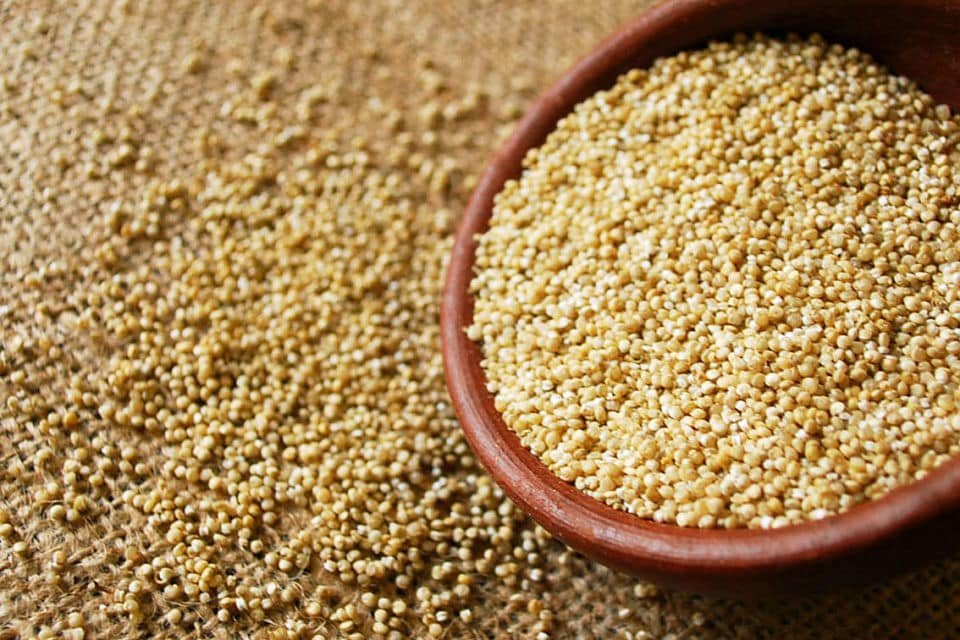
Kiwicha, also called amaranth, is a small seed traditionally grown in the Andes.
Botanically it is not a cereal: the plant belongs to the genus Amaranthus. Its seeds can nevertheless be used in much the same way as certain cereals.
Kiwicha provides protein, fibre and various minerals. As with the other seeds, its nutritional composition depends on the variety and the preparation. Agris
Its Quechua name, kiwicha, is a reminder of how deeply rooted it is in Andean cultures.
How to cook it?
Kiwicha can be:
- cooked like a small grain;
- milled into flour;
- popped;
- added to biscuits and pastries;
- stirred into cereal bars or breakfast mixes.
Its lightly toasted taste goes particularly well with chocolate, honey, dried fruit and spices.
🫘 What is sacha inchi?
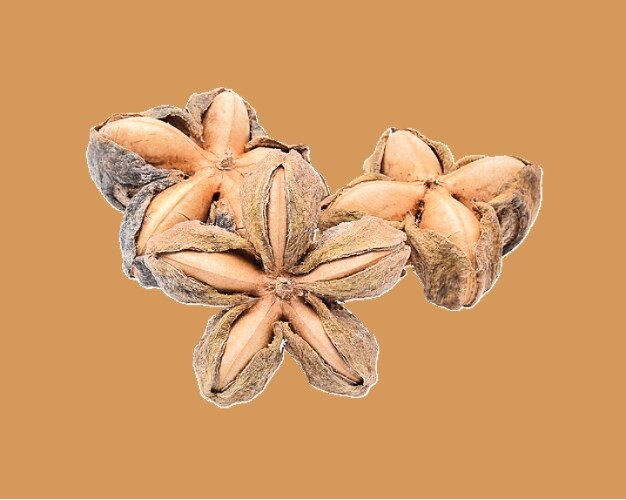
Sacha inchi is different from quinoa, cañihua and kiwicha.
It is not a pseudo-cereal but an oil plant native to the Amazon region of South America, particularly Peru. Its seeds are of particular interest for their content of unsaturated fats, especially alpha-linolenic acid (ALA), a plant-based omega-3. They also contain protein. PubMed
Sacha inchi is now found in several forms: roasted seeds, oil or flour.
How to discover it in the kitchen?
The roasted seeds can be eaten like nuts, or added:
- to salads;
- to granolas;
- to snack mixes;
- to savoury dishes;
- to desserts.
Its lightly toasted flavour and crunchy texture make it a particularly interesting ingredient for adding contrast to a dish.
🌿 What is maca?
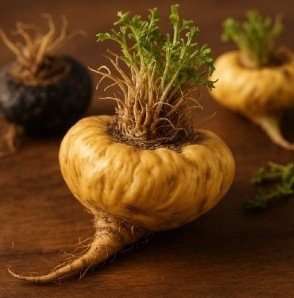
Maca (Lepidium meyenii) is different again.
It is a root native to the high plateaus of the Peruvian Andes, where it has been grown for a very long time. It belongs to the Brassicaceae family, like broccoli, cabbage or radish. PubMed
The root is usually dried and then ground into powder. Maca can also be found as an extract or a food supplement.
In Andean cultures, maca is traditionally associated with vitality and fertility. Today it is the subject of a good deal of scientific research, notably on sexual function, fatigue and certain symptoms linked to the menopause.
Clinical studies remain limited, however, and do not allow maca to be presented as a medical treatment. PubMed
And in the kitchen?
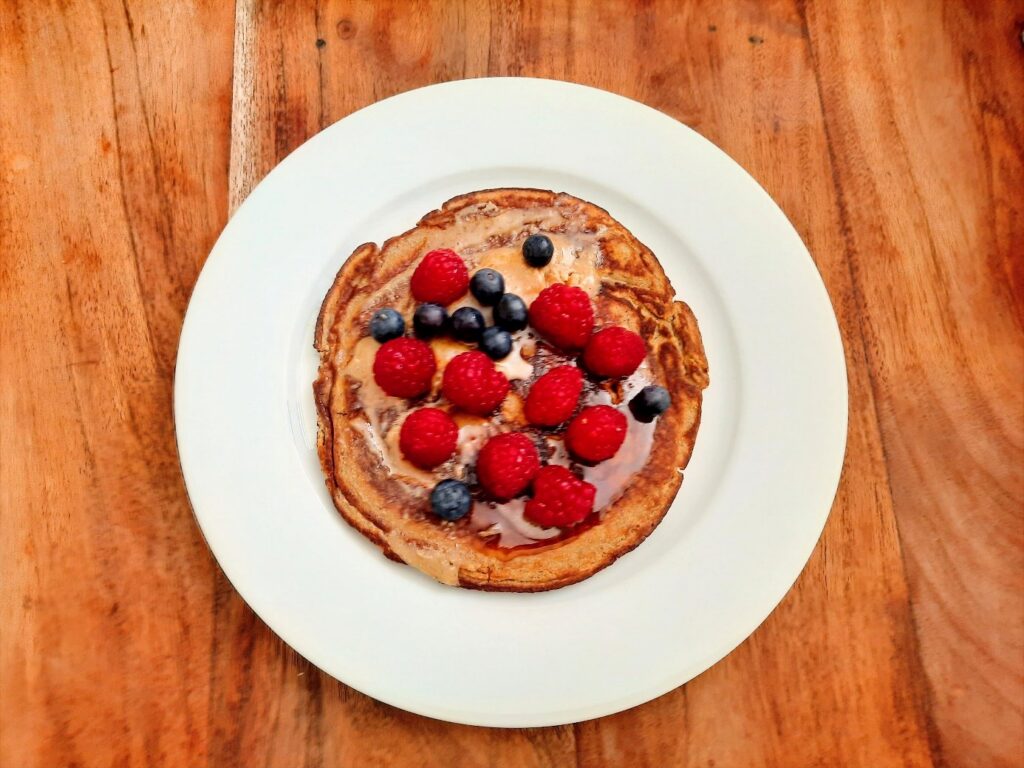
It is above all as an ingredient that maca interests me.
Its powder has a distinctive flavour: slightly malty, caramelised and nutty. It can be stirred into:
- smoothies;
- porridges;
- hot drinks;
- biscuits;
- cakes;
- chocolate desserts.
A small amount is usually enough to flavour a preparation.
🌾 Ancient foods for today’s cooking
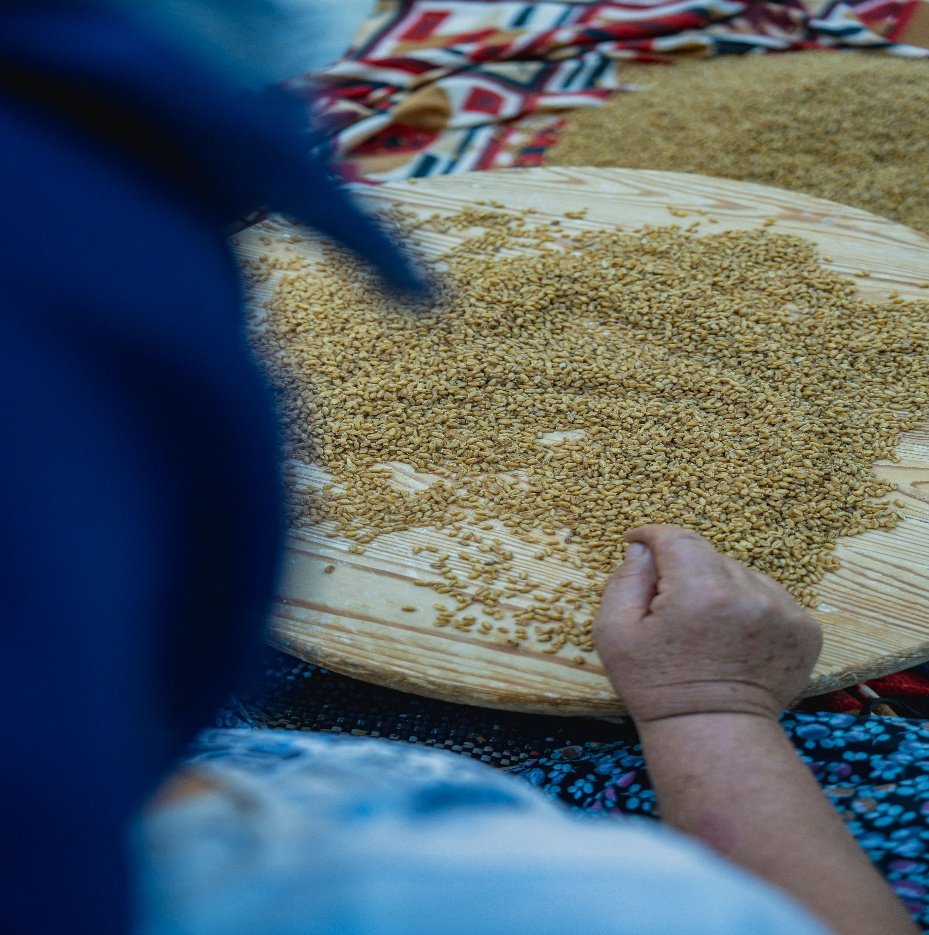
Quinoa, cañihua, kiwicha, sacha inchi and maca are not simply fashionable “superfoods”.
They are above all the result of a long agricultural and culinary history.
Some are seeds, others roots. Some are used like cereals, others as oilseeds or powders.
But all of them open the door to different tastes, textures and culinary traditions.
Today these ingredients can easily find their place in a modern kitchen: in a breakfast, a salad, a soup, a pastry or simply in something homemade.
And perhaps that is their greatest appeal: letting our plates travel while introducing us to the story of those who have been growing them for generations.
🌎 Key points
- Quinoa — a pseudo-cereal known worldwide today, easy to work into savoury and sweet dishes.
- Cañihua — a small Andean seed with a slightly nutty taste, useful for porridges, flours and baking.
- Kiwicha — also called amaranth, it can be cooked, popped or milled into flour.
- Sacha inchi — an Amazonian oilseed particularly rich in unsaturated fats and in ALA, a plant-based omega-3. PubMed
- Maca — an Andean root traditionally eaten, notably as a powder, and particularly good for flavouring drinks and desserts.
📚 Sources
Huamanchumo Prado, W. J. (2020). Pseudocereales andinos: Valor nutritivo y aplicaciones para alimentos libres de gluten. Universitat Politècnica de València.
Casanave Zevallos, M. C., Ruiz Chocano, R. A. & Yarlequé Chocas, M. M. (2022). Evaluación del aporte nutricional de los granos germinados y sin germinar de quinua, kiwicha y cañihua. Agris
Sihag, M. et al. (2021). Sacha inchi (Plukenetia volubilis L.): An emerging source of nutrients, omega-3 fatty acid and phytochemicals. PubMed
Peres, N. da S. L. et al. (2020). Medicinal effects of Peruvian maca (Lepidium meyenii): a review. PubMed
Lee, M. S. et al. (2011). Maca (Lepidium meyenii) for treatment of menopausal symptoms: A systematic review. PubMed
Leave a Reply