


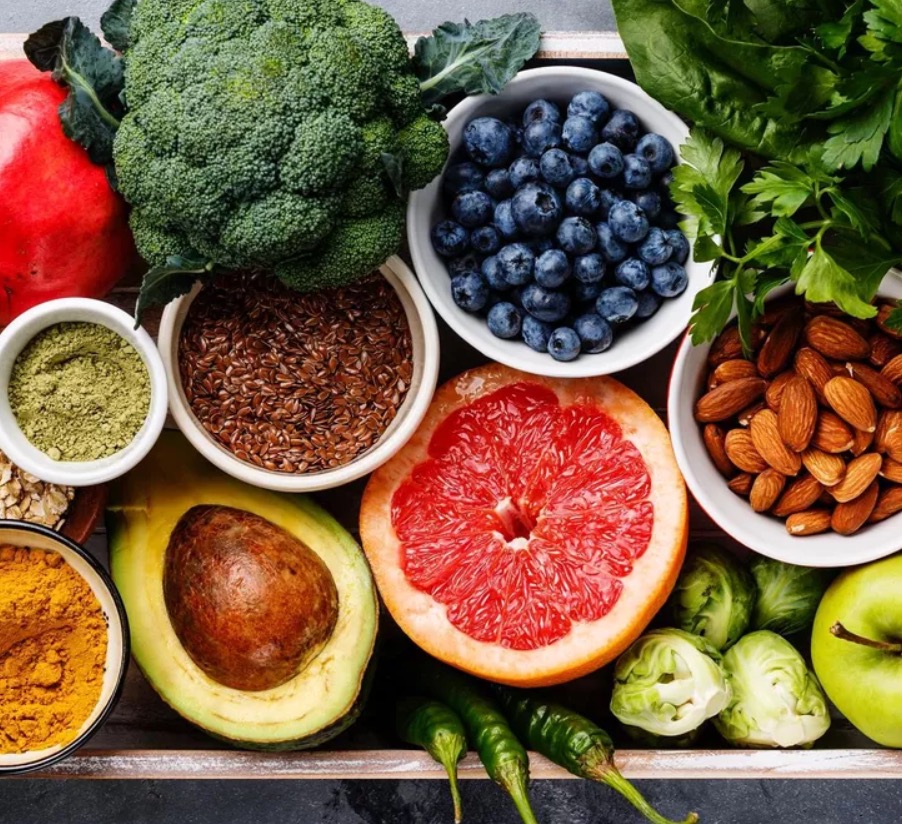
The Peruvian Andes, Amazon and high forest are home to one of the most biodiverse pantries on the planet. Long before “superfood” became a marketing term, these grains, tubers, fruits and herbs were feeding Andean civilisations — naturally dense in fibre, plant protein, antioxidants and anti-inflammatory compounds.
Here is our living guide to the ingredients you’ll come across again and again in Khalysuperfoods recipes.
🌾 Pseudocereals (pseudo-grains)
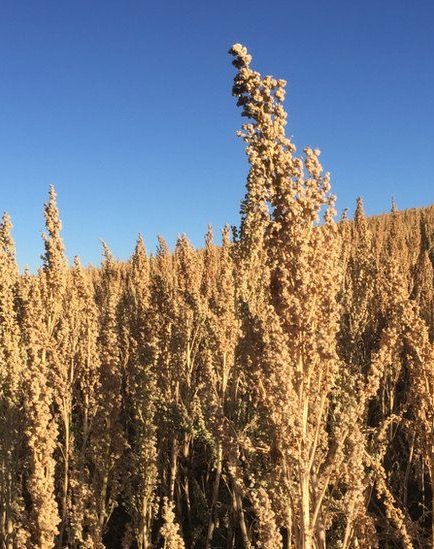
Pseudocereals look like cereals and cook like them, but botanically they aren’t grasses — they’re the seeds of broad-leaved plants. The upside: most provide a complete plant protein (all nine essential amino acids), plenty of fibre and minerals, and they’re naturally gluten-free.
- Quinoa (Chenopodium quinoa) — The Andean classic. A complete protein (~9–17%), rich in magnesium and fibre. Its bioactive compounds (phenols, saponins) show antioxidant and anti-inflammatory activity.
- Kañiwa (Chenopodium pallidicaule) — Quinoa’s little cousin. Especially rich in soluble fibre and quality protein (often higher than quinoa’s), with no bitter saponin coating — no rinsing needed.
- Amaranth (Amaranthus spp.) — Tiny protein-rich seeds (up to ~21%), with an iron content close to that of red meat, plus magnesium and anti-inflammatory phytonutrients.
- Sacha Inchi (Plukenetia volubilis) — The “Inca peanut”. Technically a seed rather than a grain: one of the richest plant sources of omega-3 (ALA), on top of a complete protein. Omega-3s help fight inflammation and support the brain and heart.
🍑 Native superfruits
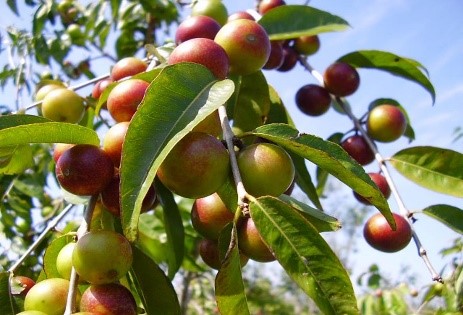
Vibrant Andean and Amazonian fruits, prized for their vitamin C, carotenoids and polyphenols — antioxidants that help neutralise free radicals and calm inflammation.
- Camu Camu (Myrciaria dubia) — Possibly the highest natural source of vitamin C in the world (≈ 30–50× an orange), with flavonoids and anthocyanins that have measurable antioxidant and anti-inflammatory effects.
- Aguaymanto / Physalis (goldenberry) (Physalis peruviana) — Small, jewel-like golden berries, rich in carotenoids and polyphenols; anti-inflammatory and heart-friendly, with immune-supporting vitamins.
- Lúcuma (Pouteria lucuma) — “Gold of the Incas”. A naturally sweet, low-glycaemic fruit, rich in beta-carotene, fibre, vitamins and minerals — a wonderful sweetener without refined sugar.
- Pitahaya (dragon fruit) (Hylocereus / Selenicereus) — Hydrating, antioxidant-rich, with fibre and prebiotic benefits for the gut.
- Quito Quito (Naranjilla / Lulo) (Solanum quitoense) — A tangy Andean fruit, rich in vitamin C and antioxidants; bright and lemony in drinks and sauces.
- Sacha-Tomate (Tamarillo / tree tomato) (Solanum betaceum) — Rich in vitamins A and C and in anthocyanins; tangy and versatile.
- Sanki (Corryocactus brevistylus) — A refreshing cactus fruit from the high Andes, naturally tart and antioxidant-rich.
- Pacae (“ice-cream bean”) (Inga feuillei) — Long green pods with sweet, cottony white pulp; a good source of fibre.
🥔 Tubers and roots
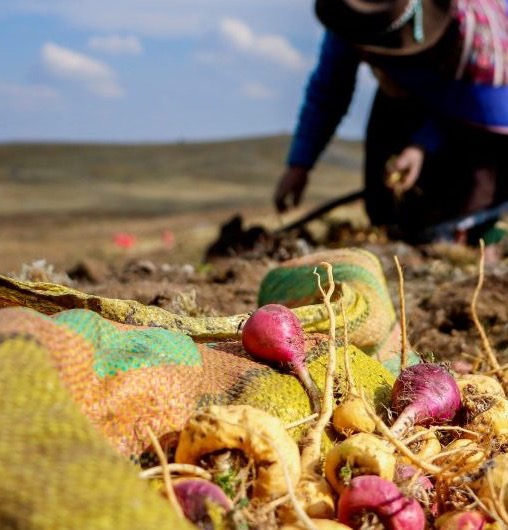
The Andes are the global birthplace of the potato — and of dozens of other extraordinary roots. Many are excellent sources of complex carbohydrates, fibre and prebiotics that feed a healthy gut.
- Maca (Lepidium meyenii) — A root grown in the high Andes for over 2,000 years. Rich in fibre, essential amino acids, vitamin C, copper and iron. Traditionally valued for energy and hormonal balance, with documented antioxidant and anti-inflammatory activity. The red, black and yellow ecotypes differ in their bioactive compounds.
- Yacon (Smallanthus sonchifolius) — Sweet, crunchy and juicy, yet low in calories. Rich in fructo-oligosaccharides (FOS) — prebiotic fibres that feed good gut bacteria and are linked to a better anti-inflammatory and metabolic state.
- Mashua (Tropaeolum tuberosum) — A colourful Andean tuber, traditionally valued for its antioxidants and immune support.
- Oca (Oxalis tuberosa) — A tangy, jewel-coloured tuber; rich in vitamin C and antioxidants, traditionally used to soothe the digestive system.
- Olluco / Ulluco (Ullucus tuberosus) — A glossy, brightly coloured tuber, rich in carbohydrates and vitamin C; traditionally used for skin and wound care.
- Andean (native) potatoes (Solanum spp.) — Thousands of native varieties; the most pigmented (purple and red) are especially rich in anthocyanins and polyphenols.
- Cassava / Yuca (Manihot esculenta) — A naturally gluten-free, energy-giving root; a staple starch across the Amazon (always well cooked).
- Sweet potato (Camote) (Ipomoea batatas) — A beta-carotene powerhouse, rich in fibre, with a gentle glycaemic profile.
- Turmeric (Palillo) (Curcuma longa) — The golden anti-inflammatory root. Its compound, curcumin, is one of the most-studied natural anti-inflammatory agents — pair it with black pepper to improve absorption.
- Tokosh — Traditional Andean fermented potato, sometimes called “Andean penicillin”. Prized in folk medicine as a natural probiotic/remedy.
- Chira — A regional Andean root/preparation.
🌊 “Weeds”, seaweeds and micro-algae
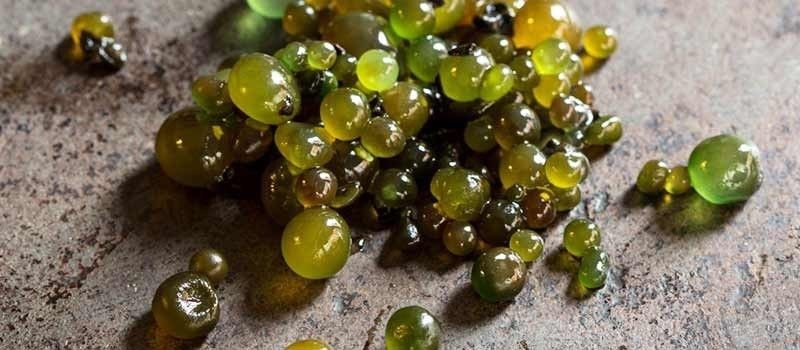
Mineral- and protein-dense foods, harvested from Andean lakes and rivers and along the Pacific coast — small in size, big in nutrition.
- Coshuro / Cushuro (Nostoc sphaericum) — Translucent green spheres of Andean cyanobacteria from high-altitude lakes. Remarkably rich in protein and minerals (notably calcium and iron).
- Cochayuyo (Durvillaea / giant brown kelp) — A Pacific seaweed rich in iodine, fibre and minerals; supports the thyroid and overall mineral intake.
- Llaita / Llayta (Nostoc commune) — A river cyanobacterium traditionally eaten in the highlands; dense in protein and minerals.
🌿 Medicinal herbs
Andean herbal traditions run deep. Many of these plants are used in digestive, soothing and anti-inflammatory infusions.
- Muña (Minthostachys mollis) — The “Andean mint”. A classic after-meal infusion, traditionally used to aid digestion and for its anti-inflammatory and antimicrobial qualities.
- Cat’s claw (Uña de Gato) (Uncaria tomentosa) — An Amazonian vine widely used in Peru for its anti-inflammatory and immune-boosting properties; traditionally taken to ease joint inflammation.
- Horsetail (Cola de Caballo) (Equisetum spp.) — A traditional diuretic and remineralising herb, rich in silica; often combined with other herbs in Peruvian preparations.
- Dandelion (Diente de León) (Taraxacum officinale) — Bitter leaves and root traditionally used to support the liver and digestion, rich in antioxidants.
- Rue (Ruda) (Ruta graveolens) — A traditional Andean medicinal herb (to be used with caution and in small amounts).
- Culén (Otholobium glandulosum) — An Andean shrub traditionally infused as a digestive remedy.
- Panizara / Panisara — A highland herb traditionally used as an infusion for respiratory comfort and colds.
- Pachachanca — A traditional Andean medicinal plant.
⚠️ A note on herbs: medicinal plants can be potent and may interact with medications or pregnancy. We share their traditional uses for cultural and educational purposes only — consult a qualified practitioner before any therapeutic use.
🌶️ Ajíes and chillies
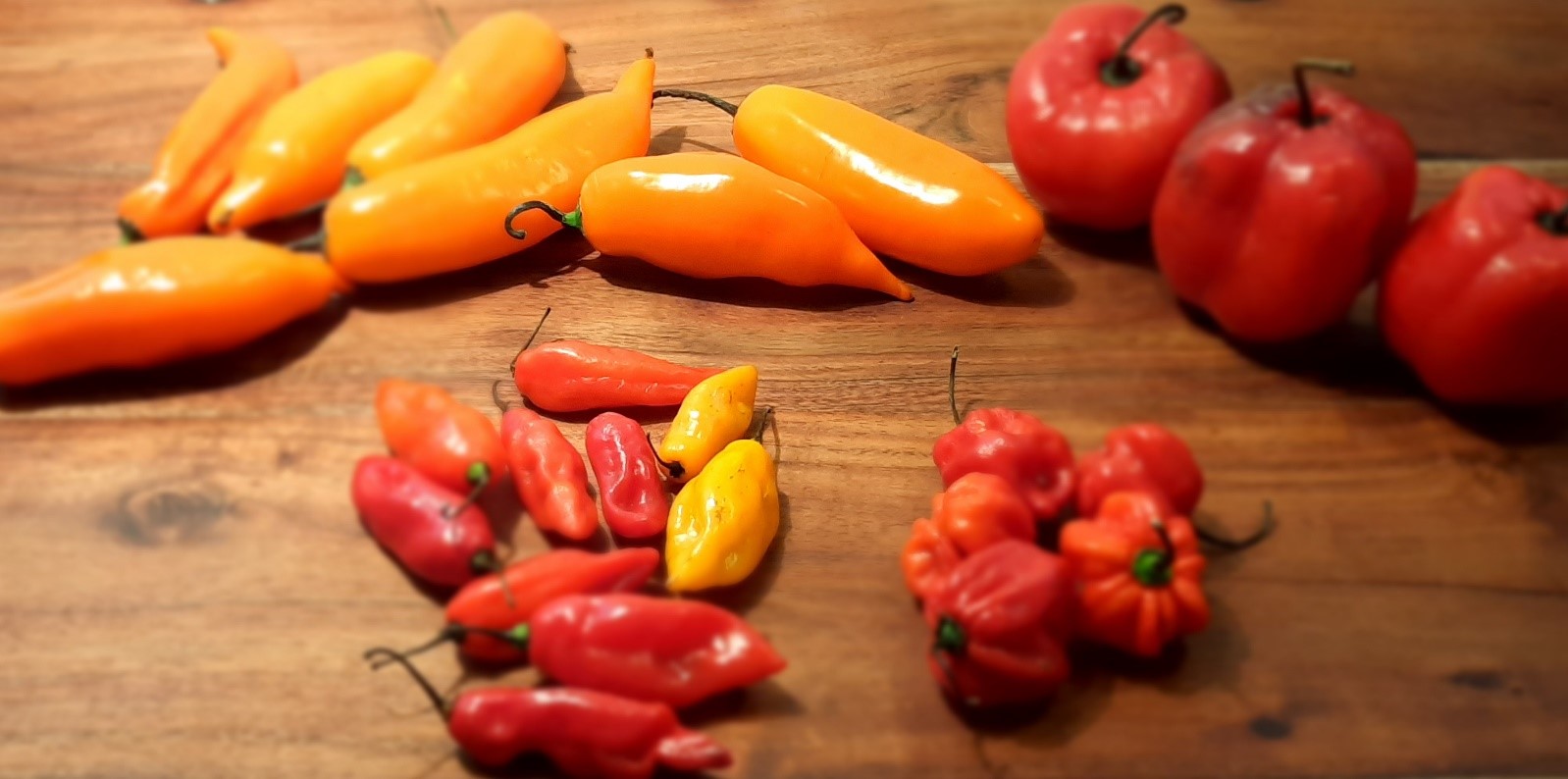
No Peruvian dish is complete without its native ajíes. Beyond flavour, they provide vitamin C, vitamin A and capsaicin — a compound with anti-inflammatory and circulation-boosting properties.
- Ají Amarillo (Capsicum baccatum) — The soul of Peruvian cooking. Fruity, bright yellow-orange, ~150 mg of vitamin C per 100 g; best used fresh.
- Rocoto (Capsicum pubescens) — Apple-shaped and fiery, with black seeds; rich in vitamin C and capsaicin.
- Ají Limo (Capsicum chinense) — Aromatic, with a sharp heat — a classic of ceviche and tiraditos.
- Ají Panca (Capsicum chinense) — Deep red, smoky and mildly sweet; rich in vitamins A, C and E, with antioxidant properties.
- Ají Mirasol — Sun-dried ají amarillo; concentrated, fruity and delicately smoky.
How to use this guide
You don’t need all of these foods at once. Start with the everyday heroes — quinoa, kañiwa, maca, lúcuma, ají amarillo, turmeric — then add the rarer Andean treasures as you discover them. Then bring them to life in the kitchen:
This guide is for general educational and well-being purposes only. It is not medical advice and is not a substitute for consulting your doctor or a qualified dietitian. Traditional uses are shared for cultural and informational purposes and do not constitute therapeutic claims.